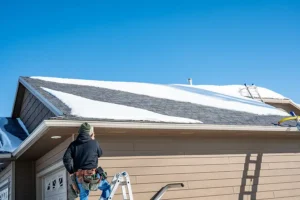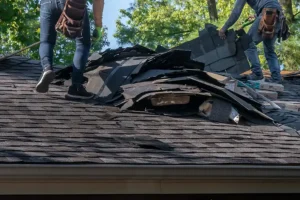
When homeowners think about their roofs, shingles are usually the first thing that comes to mind. Shingles certainly play an important role, but they are only one part of a complete roofing system. Some of the smallest components can make an enormous difference in how effectively a roof keeps water out. Roof flashing is an excellent example.
Flashing is installed around vulnerable areas where roofing materials meet walls, chimneys, vents, valleys, and other transitions. Its purpose is to guide water away from joints and openings where moisture could otherwise enter the roofing system. When flashing is missing, damaged, deteriorated, or improperly installed, even a roof with good shingles can develop leaks.
At BAM Roofing, we understand how every roofing component contributes to protecting Central Illinois homes. Knowing the basics about flashing can help homeowners recognize why this relatively small detail deserves attention.
Protect vulnerable areas of your roof with professional care. Call 217.821.2003 to schedule roofing service with our experienced team.
What Is Roof Flashing and What Does It Do?
Roof flashing is generally made from thin, durable material installed in areas where water is more likely to penetrate the roof. Metal is commonly used because it can withstand exposure to weather while directing water away from seams, joints, and penetrations.
Think of flashing as a water-management component. Rainwater does not always flow across a simple, uninterrupted roof surface. It encounters chimneys, walls, vents, valleys, dormers, and other features. These transitions create openings or seams that require additional protection.
Properly installed flashing works with shingles, underlayment, sealants, and other roofing materials to create a system designed to move water toward the roof edge and gutters instead of allowing it beneath the surface.
Because flashing is often relatively narrow compared with the overall roof, homeowners may overlook it. Its size, however, does not reflect its importance. A problem affecting only a small section of flashing can potentially allow moisture into a much larger area of the home.
If you are unsure about the condition of your roof flashing, call today and let our professionals inspect the vulnerable areas of your roofing system.
Where Is Flashing Installed on a Roof?
Flashing is used anywhere a roof has a transition, penetration, or other area that needs additional water protection. Different locations may require different flashing designs and installation techniques.
Common locations include:
- Chimneys: Flashing helps protect the joint between the chimney and roofing materials.
- Roof valleys: These areas handle significant amounts of water as two roof slopes meet.
- Plumbing vents: Flashing helps seal the area surrounding pipes that penetrate the roof.
- Roof-to-wall intersections: Flashing directs water away from areas where roofing meets a vertical wall.
- Dormers: Multiple transitions around dormers require careful water management.
- Skylights: Proper flashing helps protect the perimeter where the skylight meets the roof.
- Roof edges: Certain flashing components help direct water away from roof edges and underlying materials.
Each area presents different challenges, which is one reason proper installation matters. Flashing must overlap and integrate with surrounding roofing materials in a way that follows the expected path of water.
Have questionable roof transitions or penetrations professionally evaluated before they become sources of water intrusion.
Why Such a Small Roofing Detail Matters So Much
Water will take advantage of openings that may seem insignificant. A small gap around a chimney or vent can provide a path beneath shingles, where moisture can reach underlayment, roof decking, insulation, ceilings, and walls.
Once water enters the roofing system, the source can also be difficult to identify. Moisture may travel along decking, rafters, or other materials before appearing inside the house. As a result, an interior stain does not always sit directly below the flashing defect that caused it.
Effective flashing helps interrupt this process by directing water over and away from vulnerable joints. That makes proper flashing important for preventing leaks and helping protect the materials beneath the visible roofing surface.
Central Illinois weather adds another reason to take flashing seriously. Heavy rain, wind-driven precipitation, snow, ice, and freeze-thaw cycles can repeatedly test roof transitions. An area that is already loose or deteriorated may become increasingly vulnerable over time.
Do not underestimate a small roofing weakness. Call 217.821.2003 if you suspect flashing damage or water intrusion around your roof.
What Causes Roof Flashing to Fail?
Quality flashing is designed to withstand outdoor conditions, but it is not immune to age, weather, movement, or installation problems. Understanding common causes of failure can help homeowners recognize why periodic roof inspections are worthwhile.
Over time, metal flashing can become corroded, bent, loose, or otherwise damaged. Sealants used in certain areas may deteriorate and lose effectiveness. Fasteners can loosen, and building movement can sometimes affect joints between roofing and other structural components.
Severe weather can also contribute to damage. High winds may loosen surrounding roofing materials, while falling branches or storm debris can physically damage flashing. Repeated freezing and thawing can worsen existing gaps where moisture has already found a path.
Improper installation is another concern. Flashing must be correctly positioned and integrated with the surrounding materials. Simply applying roofing cement or sealant over a problematic area may provide temporary protection without correcting the underlying installation issue.
If your roof has experienced storms, aging, or previous repairs, ask our team to check whether flashing needs professional attention.
Warning Signs of Damaged or Failing Flashing
Flashing problems are not always visible from the ground, but homeowners can watch for clues that may indicate water is entering around a vulnerable roof area.
Potential warning signs include:
- Water stains on ceilings or walls
- Moisture appearing near a chimney
- Damp or discolored attic materials
- Peeling paint near roof-to-wall intersections
- Visible rust or corrosion on accessible flashing
- Bent, loose, or missing flashing
- Recurring leaks during heavy or wind-driven rain
- Water damage around skylights or roof penetrations
- Signs of moisture near vents or other openings
A leak that only occurs under certain weather conditions should not be ignored. Wind direction and rainfall intensity can influence how water reaches a damaged flashing area, which is why some problems may appear intermittent.
Professional inspection can help locate the actual source rather than relying solely on where water becomes visible inside the home.
If you have noticed signs of a possible roof leak, contact us today and let our team evaluate the flashing and surrounding roofing materials.
Damaged Flashing Can Lead to Larger Roofing Problems
One of the biggest reasons to address flashing problems promptly is that water damage can spread beyond the original defect. Moisture entering around a small joint may eventually affect roof decking, insulation, drywall, ceilings, walls, or other materials.
Prolonged moisture can also contribute to wood deterioration and create conditions where mold or mildew may develop. The longer the source remains unresolved, the more complicated the repair can potentially become.
Water intrusion is particularly concerning because homeowners may not immediately see everything happening beneath the roof surface. By the time a ceiling stain becomes obvious, moisture may have already affected concealed materials.
Addressing flashing problems early can therefore be much more than a cosmetic repair. It can help preserve other parts of the roofing system and protect the interior of the home.
At BAM Roofing & Construction, we evaluate roofing problems with the complete system in mind. Our goal is to identify the source and determine what needs to be repaired to restore reliable protection.
Protect more than the visible surface of your roof by addressing flashing and leak concerns as soon as possible.
Why DIY Flashing Repairs Can Be Risky
A tube of sealant may seem like an easy answer to a flashing leak, but successful flashing repair depends on understanding how roofing materials are layered and how water moves across the roof. Covering a gap without correcting damaged or incorrectly installed flashing can leave the underlying problem unresolved.
There is also a significant safety concern. Walking on a roof exposes homeowners to fall hazards, particularly when surfaces are steep, wet, icy, damaged, or covered with loose debris. Attempting repairs around chimneys, valleys, or roof edges can increase those risks.
Professional roofers have the training and equipment to access these areas and evaluate whether the problem involves flashing alone or extends to shingles, underlayment, decking, or another component.
Proper repair may require removing surrounding roofing materials, replacing damaged flashing, and reinstalling components in the correct sequence. This is different from simply covering the visible area with sealant.
Avoid temporary fixes that may hide a larger problem. Call 217.821.2003 for professional roof flashing inspection and repair.
Professional Roofing Service Helps Protect the Entire System
Flashing works best when it is treated as one component of a complete roofing system. During professional residential roofing service, it is important to consider the condition of surrounding shingles, roof penetrations, valleys, underlayment, gutters, and other materials that influence water movement.
At BAM Roofing & Construction, we provide professional roofing services throughout Central Illinois, including roof inspections, repairs, replacements, and storm damage services. Our team can evaluate existing flashing, identify signs of water intrusion, and determine whether targeted repairs or more extensive roofing work are appropriate.
Professional service is particularly important after severe weather or when a roof is aging. A homeowner may notice missing shingles after a storm while overlooking damage to flashing around a chimney or roof transition. A thorough evaluation can help identify less obvious problems before they contribute to interior damage.
Preventive attention also gives homeowners a better understanding of their roof’s overall condition instead of waiting until active leaks appear.
Give every part of your roofing system the professional attention it deserves by working with our experienced BAM Roofing & Construction team. Contact us today.
Schedule Professional Roofing Service in Central Illinois
Roof flashing may represent only a small portion of your roofing system, but it performs an essential job. By directing water away from chimneys, valleys, walls, vents, skylights, and other vulnerable transitions, properly installed flashing helps keep moisture from reaching areas where it can cause damage.
Homeowners should pay attention to ceiling stains, attic moisture, recurring leaks, visible corrosion, loose flashing, and other signs that these protective components may need service. Regular inspections can also help identify flashing concerns before they become obvious from inside the home.
At BAM Roofing & Construction, we help Central Illinois homeowners protect their properties with professional roofing inspections, repairs, replacements, and related services. Whether you have an active leak, recently experienced storm damage, or simply want to make sure your roofing system is in good condition, our professionals can evaluate the roof and recommend an appropriate solution.
Do not let a small flashing problem turn into a major roofing repair. Contact BAM Roofing & Construction at 217.821.2003 today to schedule a professional roof inspection, repair, or roofing service in Central Illinois.